
To prove lost self-employed income in a limited licence affidavit, connect the driving restriction to specific work you cannot carry out, then support that account with business records and evidence of your personal financial position. Explain why other transport or working arrangements do not solve the problem; lost turnover alone does not establish the hardship the court must assess.
- A limited licence application self employed affidavit should connect driving restrictions, lost work and personal financial hardship.
- Use invoices, bookings and business records to support your account; separate turnover from income available for living costs.
- Explain transport alternatives honestly, including arrangements that solve only part of your work problem.
- NZ Limited Licence prepares work licence application documents; the court decides whether to grant a limited licence.
How do you prove lost self-employed income in a limited licence affidavit?
Show the connection between driving, earning income and meeting your essential commitments. Your affidavit should explain what you do, which work requires driving, what has changed since the restriction, and how that change affects you financially. Supporting documents should confirm the important parts of that account.
NZ Limited Licence prepares limited licence applications, affidavits and document bundles across all 58 District Courts in New Zealand. Document preparation and court approval are separate: a prepared bundle does not establish eligibility or guarantee a licence.
For a 2026 application, the legal starting point is the Land Transport Act, particularly sections 103–105. The Act distinguishes extreme hardship to the applicant from undue hardship to another person, and contains restrictions on who can apply. Check the current provisions on New Zealand Legislation and NZ Transport Agency Waka Kotahi's official limited licence guidance before preparing your evidence.
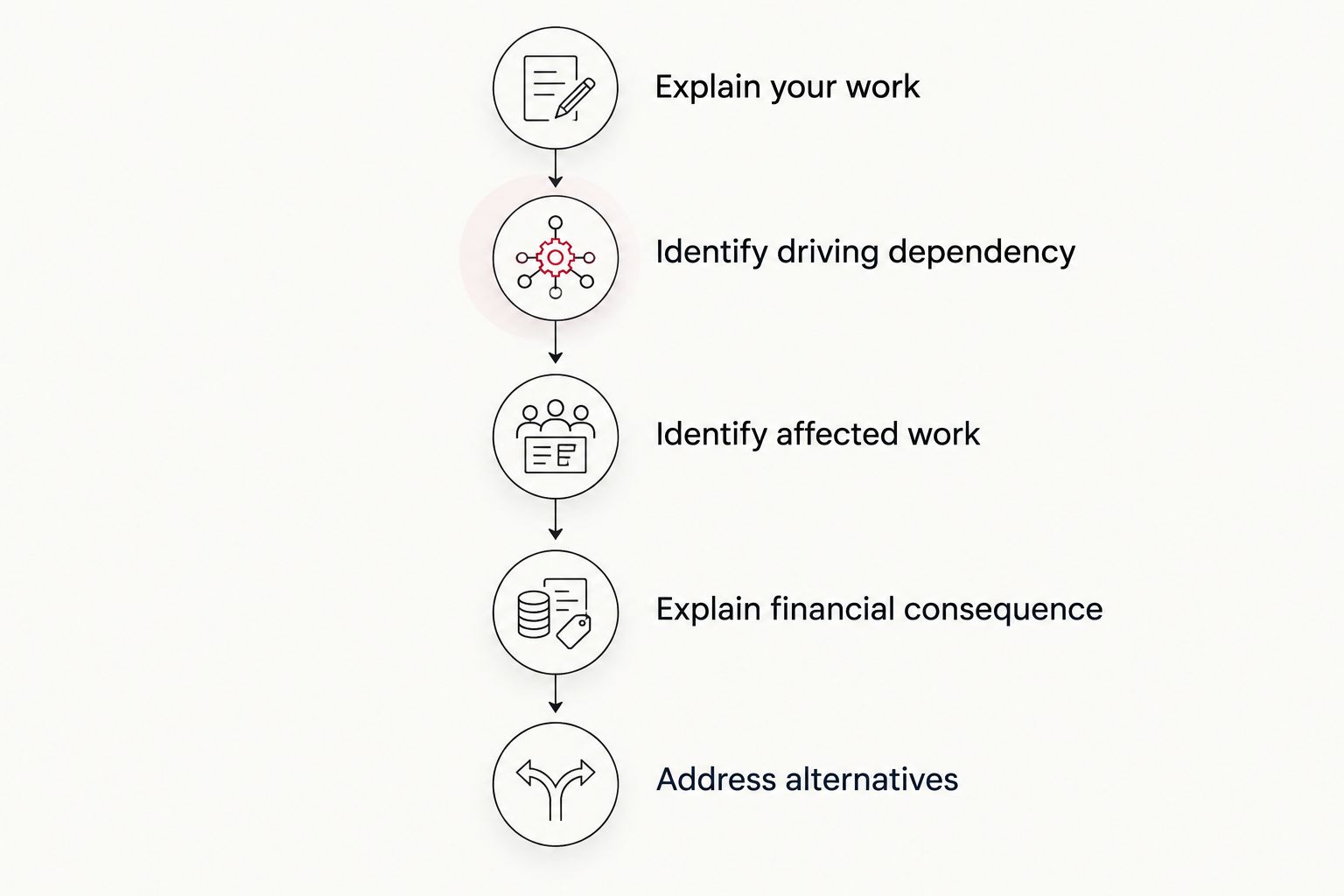
Build the account in a clear sequence
- Explain your work. State whether you operate as a sole trader, through a company or under another arrangement. Describe your actual duties, not just your business name.
- Identify the driving dependency. Explain the journeys involved and what you carry. Distinguish travel needed to perform work from travel that is simply more convenient.
- Identify the affected work. Connect the restriction to bookings, contracts, visits or deliveries you cannot complete. Use the records you hold.
- Explain the financial consequence. Separate business revenue from expenses and from money available to support you or your household.
- Address alternatives. Explain what you have investigated, what is workable, and what remains unresolved.
Keep the sequence factual. A reader should be able to follow it without guessing how a cancelled job becomes difficulty paying your essential expenses.
Why this matters
Being self-employed does not, by itself, prove hardship. Neither does saying that your business needs a vehicle. The court needs an account that addresses the statutory hardship test and supports the driving permission you seek.
Business difficulty and personal hardship are not interchangeable. A reduction in sales needs explanation: which expenses disappear with those sales, which remain, and what money is left for your essential commitments?
For your 2026 application, use current records alongside any earlier records needed to explain the change. Label their dates clearly. Do not present a busy trading period as though it represents your business throughout the year.
What evidence supports lost self-employed income?
Organise your material into 5 evidence groups. These are a practical way to assemble your account, not a prescribed court checklist; the documents you need depend on your circumstances and the current filing requirements.
Work commitments
Use accepted bookings, contracts, job schedules or customer correspondence that identifies genuine work. Explain whether the work has been cancelled, postponed, reassigned or remains at risk.
Do not describe every enquiry as secured income. A confirmed booking and a possible future job carry different information. Keep that distinction in your affidavit and attachments.
Trading records
Invoices, accounting reports and business bank records can help explain how you earn income. Select records that relate to the period and work discussed in your affidavit.
Explain what the figures represent. An issued invoice is not necessarily a payment received, and a bank deposit is not necessarily profit. If you use an accounting report, identify its reporting period and explain any entries that would otherwise confuse the reader.
Business expenses
Identify expenses that continue despite the restriction, and expenses that fall when you stop completing work. This helps explain the actual financial effect rather than presenting lost revenue as lost personal income.
Avoid counting the same expense twice. If a business payment appears in your accounts and bank records, describe it consistently rather than treating those records as separate losses.
Household commitments
Explain the essential commitments affected by the loss of income. Use relevant records to support the amounts you state, and distinguish your own obligations from those paid by someone else.
If another household member contributes, explain that contribution accurately. Leaving it out can make the financial account incomplete. The issue is your real position, not the most severe version of it.
Transport alternatives
Keep records of alternatives you have actually investigated, where available. These can include transport information, correspondence about another driver, or communications about rescheduling work.
An alternative does not have to solve everything to deserve mention. Explain what it covers and what it does not. That gives the court a clearer account than a blanket statement that nothing is possible.
How should you explain turnover, profit and personal income?
Do not call your total sales your personal income. Explain the money coming into the business, the costs of producing that income, and how you receive money from the business.
The distinction matters whether you are a sole trader or operate through a company. Describe your arrangement accurately, including wages, drawings or other payments where relevant. Do not treat money held by a company as automatically available for your personal spending.
A useful account answers these questions:
- What period do the figures cover?
- What work generated the revenue?
- Which costs relate to that work?
- Which expenses continue during the driving restriction?
- What money remains available for essential personal commitments?
For a 2026 affidavit, identify whether each figure is an actual result, an estimate or a forecast. Explain the basis of estimates. Do not present anticipated losses as though they have already occurred.
Make the records agree with the explanation
Check that your affidavit, schedules and attachments use consistent dates and descriptions. If they cover different periods, say so.
For example, an annual accounting report and a recent booking diary answer different questions. The report explains past trading; the diary identifies current commitments. Explain their separate roles instead of expecting the reader to reconcile them unaided.
Why does the evidence needed vary?
The affidavit needs to describe your actual business, not a generic self-employment scenario. These factors change what you need to explain:
- Business structure: trading personally differs from receiving wages or other payments through a company.
- Work location: travelling between customer sites creates a different practical problem from working at a fixed location.
- Equipment: carrying tools or materials needs a different explanation from travelling without them.
- Booking certainty: accepted work differs from enquiries and hoped-for sales.
- Seasonal trading: a busy period does not necessarily represent ordinary income.
- Available alternatives: help from another driver, transport services or changed duties can affect the remaining hardship.
Describe the relevant factors with evidence. Do not add complexity that has no bearing on your work or financial position.
What should you say about other ways to keep working?
Explain alternatives in practical terms: who would provide the transport, what journeys it covers, and what work would still be impossible. Avoid dismissing an option simply because you prefer driving yourself.
If public transport reaches a customer but does not accommodate the equipment needed for the job, explain the equipment and the journey. If another person can drive on some days, identify the remaining gaps. If work can be postponed, explain whether the customer has agreed and what happens to your income meanwhile.
Do not claim an alternative is unaffordable without explaining its financial effect. Support that explanation with information you actually hold. Keep business costs, household costs and estimates separate.
The driving you request should also match the work described in your evidence. If your jobs vary, explain how you receive bookings and organise travel. Ask for help with wording proposed conditions rather than assuming unrestricted business driving is available.
Should you prepare the affidavit yourself or get help?
You have 3 preparation options: do it yourself, use a document-preparation service, or engage a lawyer. Choose according to the help you need, not just the amount of paperwork involved.
| Preparation option | Best for | Advantage | Limitation |
|---|---|---|---|
| Prepare the documents yourself | Applicants able to understand requirements and organise their evidence | You control the drafting and supporting material | You must identify the requirements and check the consistency yourself |
| NZ Limited Licence document preparation | Drivers needing help preparing applications, affidavits and document bundles | Fast, careful preparation focused on the court documents | Document preparation does not replace the court's decision |
| Local lawyer | Applicants needing legal advice about eligibility, evidence or representation | You can seek advice specific to your circumstances | Confirm the lawyer's scope, including drafting and representation |
NZ Limited Licence is best for drivers seeking limited licence application document preparation. The service prepares court-ready applications, affidavits and complete document bundles nationwide; it does not guarantee approval.
Get legal advice if you need an assessment of eligibility or the legal strength of your case. Keep that decision separate from the practical task of collecting your business records.
Get your application documents prepared
Get help preparing your limited licence application, affidavit and complete document bundle.
Can an accountant's letter replace your own explanation?
An accountant's letter can support the financial account, but it does not explain every aspect of your driving needs. You still need to describe your work, affected journeys and practical alternatives.
Ask for an explanation of the records and reporting period, not a conclusion the accountant cannot substantiate. Keep observations about your accounts separate from your own evidence about customers, travel and household commitments.
Can you include work you expect to lose?
You can explain anticipated losses, but identify them as anticipated rather than already incurred. Separate confirmed work from possible future work and show the basis for your assessment.
Use customer correspondence or existing commitments where available. Do not turn an unsupported estimate into a precise claim simply to make the affidavit sound stronger.
What needs checking before you sign the affidavit?
Read every statement against the supporting material. Check dates, business structure, income descriptions, cancelled work and the proposed driving needs. Correct inconsistencies before signing.
An affidavit is sworn or affirmed, not merely signed like an ordinary letter. For your 2026 filing, use Ministry of Justice guidance on affidavits and confirm the current witnessing, exhibit and filing requirements with the relevant court or your adviser.
Official sources for the legal and procedural points are New Zealand Legislation's Land Transport Act, NZ Transport Agency Waka Kotahi's limited licence guidance, and Ministry of Justice affidavit guidance. Business-record suggestions in this article are preparation guidance, not a statement that every listed document is mandatory.
FAQ
What should a self-employed limited licence affidavit explain?
A self-employed limited licence affidavit should explain the connection between driving restrictions, affected work and financial hardship. Support the important statements with relevant records and address practical alternatives.
Are invoices enough to prove I have lost income?
Invoices alone do not explain the full financial effect of a driving restriction. Explain whether they represent completed work, payments received or affected commitments, and distinguish revenue from personal income.
Do I need to show my household expenses?
Household expense evidence helps explain how reduced income affects your essential commitments. Use records relevant to the hardship you describe and identify contributions from other people accurately.
Can I apply for a limited licence just because I am self-employed?
Self-employment alone does not establish eligibility or the required hardship. Check the current Land Transport Act provisions and NZ Transport Agency Waka Kotahi guidance, and seek legal advice about your circumstances when needed.
What if a family member can drive me sometimes?
Explain the help that is available and the work it does not cover. Partial assistance belongs in an accurate account of your alternatives, rather than being omitted.
Can someone prepare my affidavit and application bundle?
NZ Limited Licence prepares limited licence applications, affidavits and document bundles nationwide. You must check that the account is accurate, and the court decides whether to grant a limited licence.
Does a prepared affidavit guarantee court approval?
A prepared affidavit does not guarantee court approval. The court assesses eligibility, evidence and the statutory requirements separately from document preparation.
One last thing
Check your strongest claim against your clearest record. If you say you cannot complete booked work, attach evidence of the booking. If you say reduced income prevents you meeting an essential commitment, explain the income change and support that commitment.
More paperwork does not fix a missing connection. A clear explanation of what each attachment proves makes the bundle easier to follow.